Understanding Sports Back Injuries For Weekend Warriors
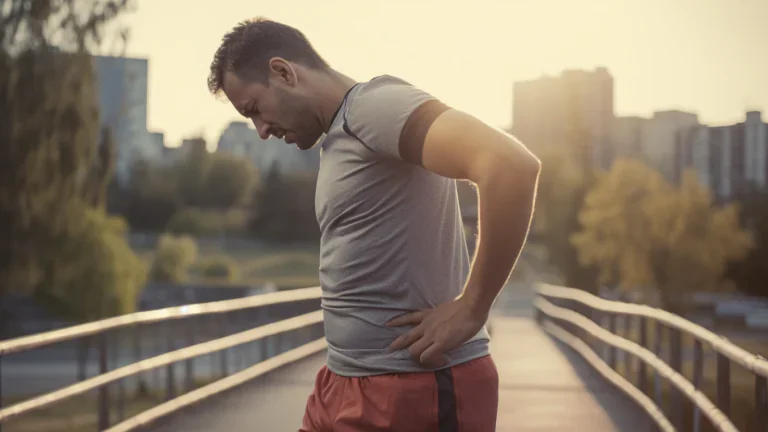
Whether you’re a die-hard athlete or just enjoy staying active on the weekends, sports-related injuries can happen to anyone. And when it comes to back injuries, they can be particularly debilitating, affecting your ability to move and engage in everyday activities. In this helpful guide, we will give an up close an personal look into the realm of common sports back injuries that often plague weekend warriors. From lower back sprains to strains, we will explore the causes, symptoms, and treatment options for these injuries, equipping you with the knowledge to prevent and manage them effectively. Whether you enjoy playing basketball, soccer, or even just going for a jog, understanding the risks and taking precautionary measures can make all the difference in maintaining a healthy and pain-free back. Get ready to learn about what to do to stay in the game and avoid being sidelined by troublesome back injuries.
Causes and Risk Factors of Sports Back Injuries
Sports back injuries can occur due to a variety of causes and risk factors. One common cause is improper technique or form during physical activities. For example, lifting heavy weights with poor posture or twisting your back while playing sports can put excessive strain on the muscles and ligaments, leading to injuries. Another common cause is overuse or repetitive movements. Weekend warriors who engage in intense physical activities after prolonged periods of inactivity are more prone to back injuries. The sudden increase in physical stress on the back can overwhelm the muscles and tendons, resulting in sprains or strains. In addition to these causes, certain risk factors can also increase the likelihood of sports back injuries. These include age, previous history of back injuries, lack of flexibility, and inadequate warm-up, stretching routines and congenital anomalies. It’s crucial to be aware of these factors and take appropriate measures to minimize the risk of sustaining back injuries.
Types of Back Injuries
Sports-related back injuries can manifest in various forms, each with its own unique characteristics and symptoms. Learning about the different types of injuries can help you identify and address them promptly. One of the most common type of sports back injury is a sprain. Sprains occur when the ligaments that connect the bones in the back are stretched or torn. This can result in pain, swelling, and limited range of motion. Sprains are often caused by sudden movements or excessive stretching beyond the normal range of motion.
Another type of injury is a strain, which affects the muscles and tendons in the back. Strains occur when these soft tissues are stretched or torn due to excessive force or overuse. Symptoms may include muscle spasms, stiffness, and localized pain. Often times there is a sprain strain injury in the lower back muscles and tendons, which can destabilize the back. Herniated discs, also known as slipped discs, are another common sports-related back injury. This occurs when the soft, gel-like material inside the discs in the spine protrudes or leaks out, putting pressure on nearby nerves. Herniated discs can cause severe pain, numbness, and weakness in the back and legs.
By being aware of these different types of sports back injuries is essential for proper diagnosis and treatment. If you experience any symptoms or suspect an injury, it’s crucial to seek medical attention to prevent further damage and promote timely healing. To need to know what type of injury is happening in the back to properly treat it.
Symptoms to Look For
Recognizing the signs of sports back injuries helps prevent severe for early detection and prompt treatment. While the specific symptoms may vary depending on the type and severity of the injury, there are some common indicators to watch out for.
Pain is one of the most prominent symptoms of sports-related back injuries. The pain may range from dull and achy to sharp and stabbing, depending on the underlying cause. It may also be localized or radiate to other areas of the back or extremities.
Inflammation and swelling are also common signs of back injuries. These can occur as a result of tissue damage and the body’s natural response to injury. Swelling may be visible or felt upon touch, indicating inflammation in the affected area. Limited range of motion is another common symptom of sports back injuries. You may experience difficulty bending, twisting, or performing certain movements without experiencing pain or discomfort. This restriction in movement is often due to muscle tightness, joint instability, or nerve compression. Numbness or tingling sensations in the back, arms, or legs can also indicate a sports-related back injury. These symptoms may suggest nerve involvement or irritation, such as in the case of a herniated disc pressing on spinal nerves. If you experience any of these symptoms or notice any other unusual changes in your back, it’s important to consult a healthcare professional for a proper diagnosis and appropriate treatment.
Injury Diagnosis
Accurate diagnosis is crucial for effective treatment and rehabilitation of sports-related back injuries. Healthcare professionals employ various diagnostic methods to assess the extent and nature of the injury. The initial step in diagnosing a sports back injury involves a comprehensive physical examination. The healthcare provider will evaluate your range of motion, muscle strength, and reflexes. They may also perform specific tests to assess the stability of the spine and identify any nerve involvement. Imaging tests, such as X-rays, magnetic resonance imaging (MRI), or computed tomography (CT) scans, may be ordered to obtain detailed images of the back. These tests can help identify fractures, herniated discs, or other structural abnormalities that may be causing the symptoms.
In some cases, further diagnostic procedures, such as electromyography (EMG) or nerve conduction studies, may be recommended to assess nerve function and identify any nerve damage or compression.
By combining the findings from the physical examination and diagnostic tests, healthcare professionals can accurately diagnose the specific sports back injury and develop an appropriate treatment plan tailored to your needs.
Treatment Options for Back Injuries
The treatment options for sports-related back injuries vary depending on the type and severity of the injury. In most cases, a combination of conservative measures and targeted therapies is employed to promote healing and relieve symptoms.
Chiropractic care is often sought for mild to moderate back injuries. This is the least invasive and it has great results. Stabilizing the back and adjusting the spine speeds up the healing process tremendously. Rest and activity modification are often given for sports back injuries. Taking a break from the activity that caused the injury allows the affected tissues to heal and reduces the risk of further damage. It’s important to listen to your body and avoid activities that exacerbate the pain or discomfort.
Physical therapy is often used for rehabilitation of sports-related back injuries. A qualified physical therapist can develop a personalized exercise program to strengthen the muscles, improve flexibility, and restore normal function.
Shock wave therapy is also used to treat back problems. It uses sound waves to break up scar tissue and to speed up the healing process dramatically. It is like having surgery without cutting open the skin. It improves growth and healing factors, stimulates stem cell migration to the injured site and creates angeogenisis, which is an increase in blood vessel growth in the injured area.
The specific treatment plan will depend on various factors, including the type and severity of the injury, your overall health, and your goals for recovery. It’s essential to work closely with a healthcare professional to determine the most appropriate treatment approach for your specific situation.
Rehabilitation and Recovery for Sports Back Injuries
Rehabilitation and recovery play a vital role in restoring function and preventing future injuries. Once the acute symptoms have subsided, a structured rehabilitation program can help you regain strength, flexibility, and mobility. Physical therapy is often a key component of the rehabilitation process. A skilled physical therapist will guide you through exercises and stretches specifically designed to target the affected areas and promote healing. They will also educate you on proper body mechanics and techniques to prevent re-injury. In addition to physical therapy, other modalities may be incorporated into the rehabilitation program. These may include heat or cold therapy, massage, or chiropractic adjustments, depending on the specific needs and preferences of the individual.
Preventing Sports Back Injuries
Prevention is always better than cure when it comes to sports-related back injuries. By taking proactive measures, you can significantly reduce the risk of sustaining an injury and keep your back in top shape. Maintaining proper form and technique during physical activities is crucial for preventing back injuries. Whether it’s lifting weights, running, or playing sports, make sure to use correct body mechanics and avoid excessive strain on the back. Regular exercise and conditioning can also help prevent sports-related back injuries. Strengthening the core muscles, improving flexibility, and maintaining overall fitness can provide better support and stability to the spine. Incorporating exercises that target the back and core into your fitness routine can go a long way in preventing injuries.
Proper warm-up and stretching routines are essential before engaging in any physical activity. This helps prepare the muscles and connective tissues for the demands of the activity, reducing the risk of strain or sprain. Using appropriate protective gear, such as supportive shoes and braces, can provide additional stability and reduce the risk of injury. It’s important to choose gear that is specifically designed for the activity you engage in and ensure a proper fit. Lastly, listening to your body and avoiding overexertion is crucial for injury prevention. Resting when you feel fatigued or experiencing pain can help prevent unnecessary strain on the back. It’s important to strike a balance between pushing yourself and allowing adequate time for rest and recovery.
Tips for You Weekend Warriors
As a weekend warrior, it’s important to approach physical activities with caution and take steps to minimize the risk of sports-related back injuries. Here are some practical tips to help you stay injury-free:
Gradually increase the intensity and duration of your activities to allow your body to adapt and strengthen over time.
Incorporate cross-training into your fitness routine to work different muscle groups and reduce the strain on your back.
Ensure that you have proper footwear and supportive equipment for the specific activity you are engaging in.
Prioritize rest and recovery between activities to prevent overuse injuries and give your body time to heal.
Stay hydrated and maintain a healthy diet to support your overall physical health and prevent muscle cramps or fatigue.
Don’t ignore any signs or symptoms of pain or discomfort. Seek medical attention promptly to prevent further damage.
Work with a qualified trainer or coach to learn proper form and technique for your chosen activities. By following these tips and being mindful of your body’s limits, you can enjoy your favorite physical activities while minimizing the risk of sports-related back injuries.
Wrap Up
Sports-related back injuries can be both frustrating and debilitating, impacting your ability to participate in the activities you love. However, by understanding the causes, symptoms, and treatment options for these injuries, you can empower yourself to prevent and manage them effectively. From sprains to strains, herniated discs to muscle imbalances, there are various types of sports back injuries that can occur. Recognizing the signs and symptoms early on and seeking appropriate medical attention is crucial for timely diagnosis and treatment.
Conservative treatment like chiropractic, shockwave therapy and physical therapy, are typically the first line of treatment for sports-related back injuries. However, more severe cases may require medical and surgical intervention.
Rehabilitation and recovery play a vital role in restoring function and preventing future injuries. A structured rehabilitation program, along with proper preventive measures, can help you get back in the game with a strong and injury-free back.
As a weekend warrior, it’s important to prioritize injury prevention and take proactive steps to keep your back healthy. By following the tips provided and listening to your body, you can enjoy your favorite activities while minimizing the risk of sports-related back injuries.
Remember, maintaining a healthy and pain-free back is essential not only for participating in sports but also for your overall well-being. So, stay informed, take care of your back, and continue to embrace an active and fulfilling lifestyle.